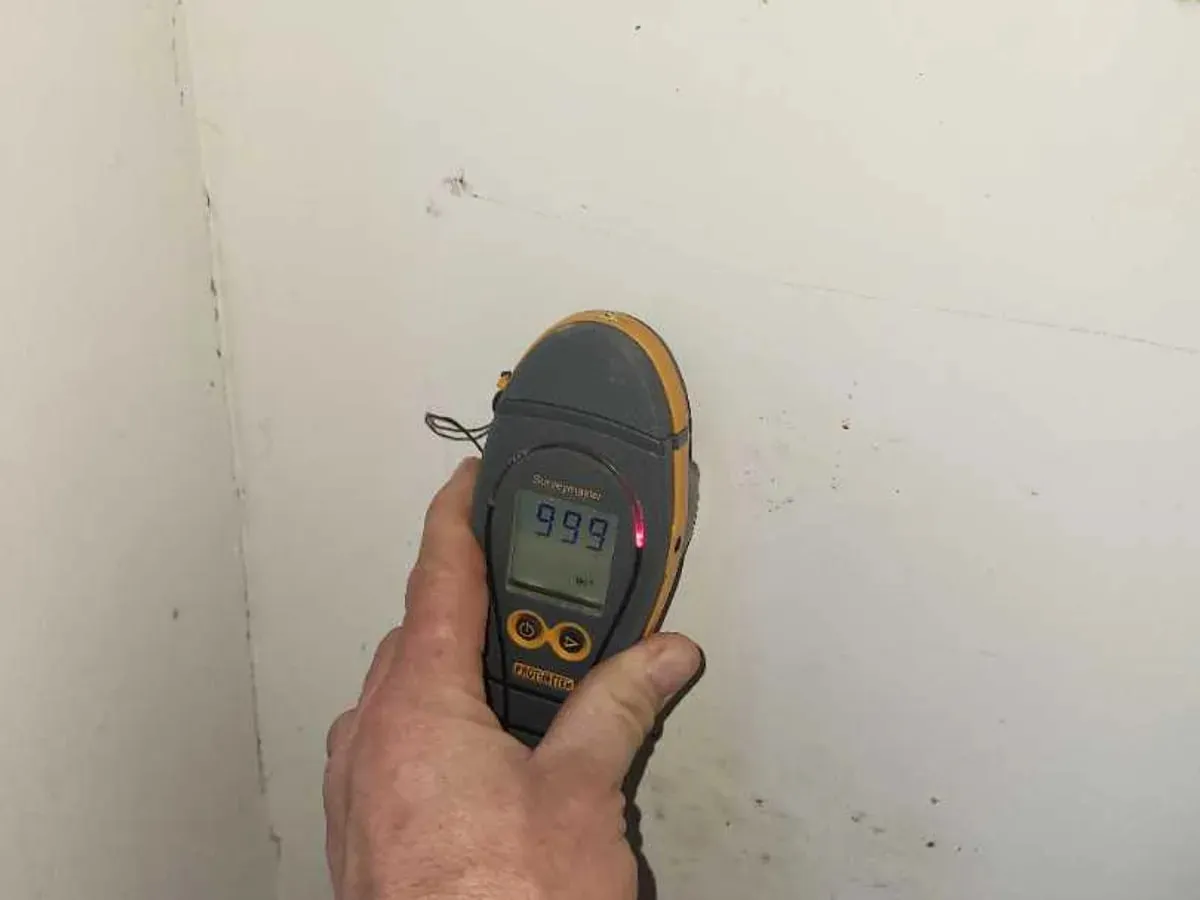
Wall damage in two rooms traced to one hidden pipe
Damp kitchen and bedroom walls led to a failed pressure test. ADI traced the hidden pipework through boxing, opened the kitchen wall and repaired a leaking copper pipe.
Read the case
Damp that keeps returning, wet flooring or a boiler losing pressure? Investigate the hidden pipework and understand where access may be needed.
England, Scotland and Wales. Monday to Friday, 7:30am to 6:30pm. Calls go to ADI Leak Detection’s office.
4.7 Excellent on Trustpilot from 1,620 reviews of ADI Leak Detection
The first mark may be away from the failed pipe. Gather the clues, understand the investigation and plan what follows.
Follow the relationship between the stain, the hidden route and the affected rooms.
Understand how damp spreadsSeparate the investigation, pipe repair, drying and restoration of your finishes.
Plan access and repairsPrepare the observations and access information, then make sense of the findings.
Prepare for the surveyThe engineer checks the symptoms, accessible fittings and pipework. Pressure tests and isolation help establish whether the problem is on the water supply, heating or another system.
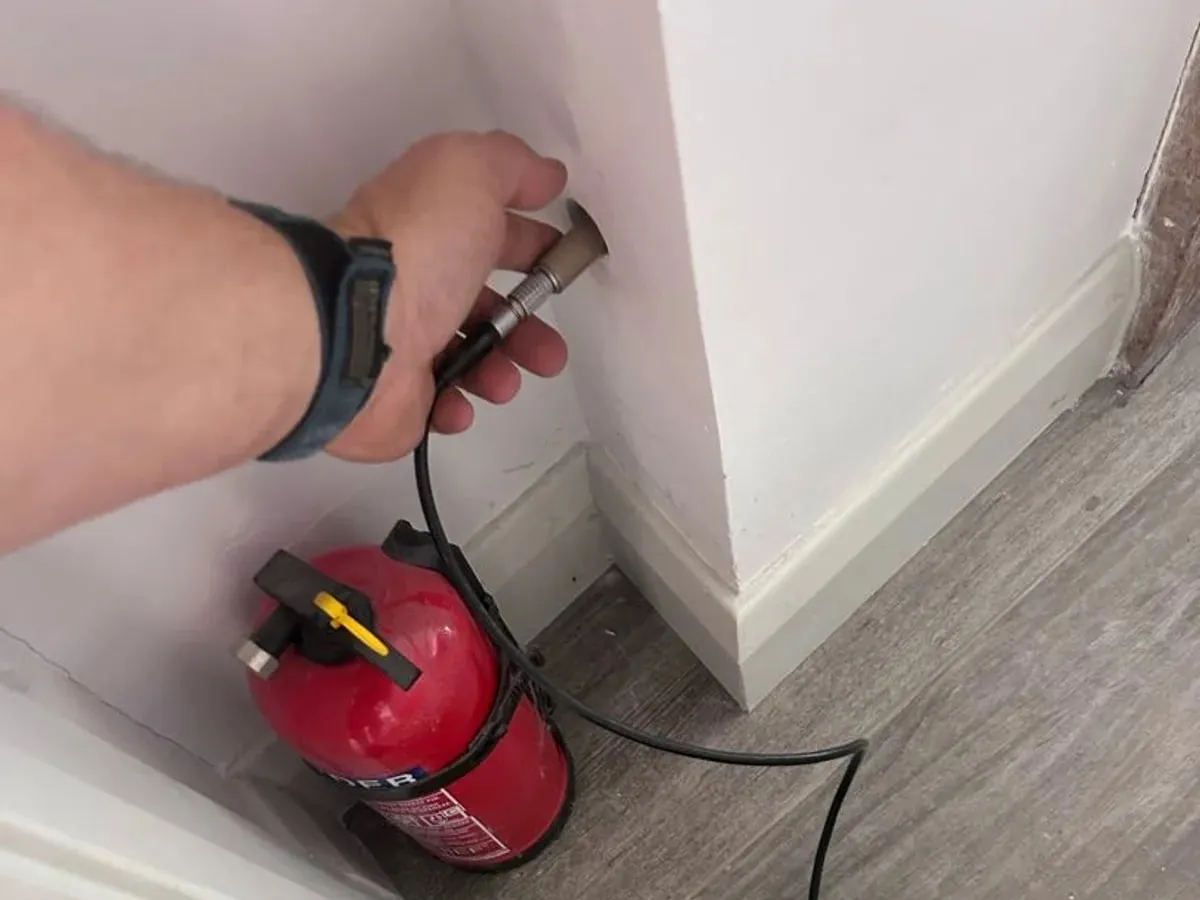
Moisture readings and thermal images help map the affected area. Acoustic listening or tracer gas can then narrow the search along concealed pipework. The tests depend on your property.
The engineer compares the findings before recommending an access point. You are told what needs opening and what repair is possible, with a written record of the investigation.
Water can travel away from a damaged pipe before it appears. Engineers compare the findings from suitable tests before recommending where to gain access.
See the equipment and its limitsPhotographs from ADI engineers’ investigations.
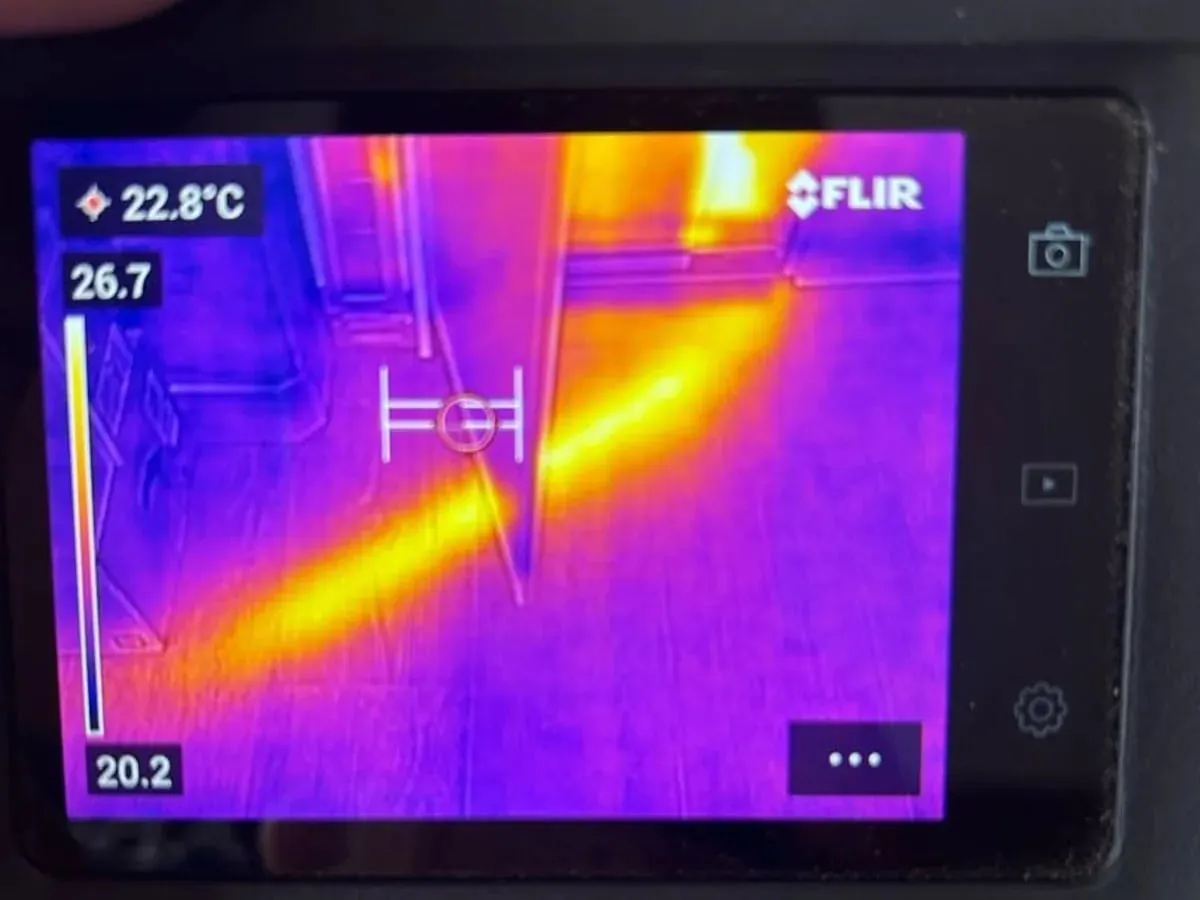
Tracing warm pipe routes beneath a kitchen floor in Exeter.
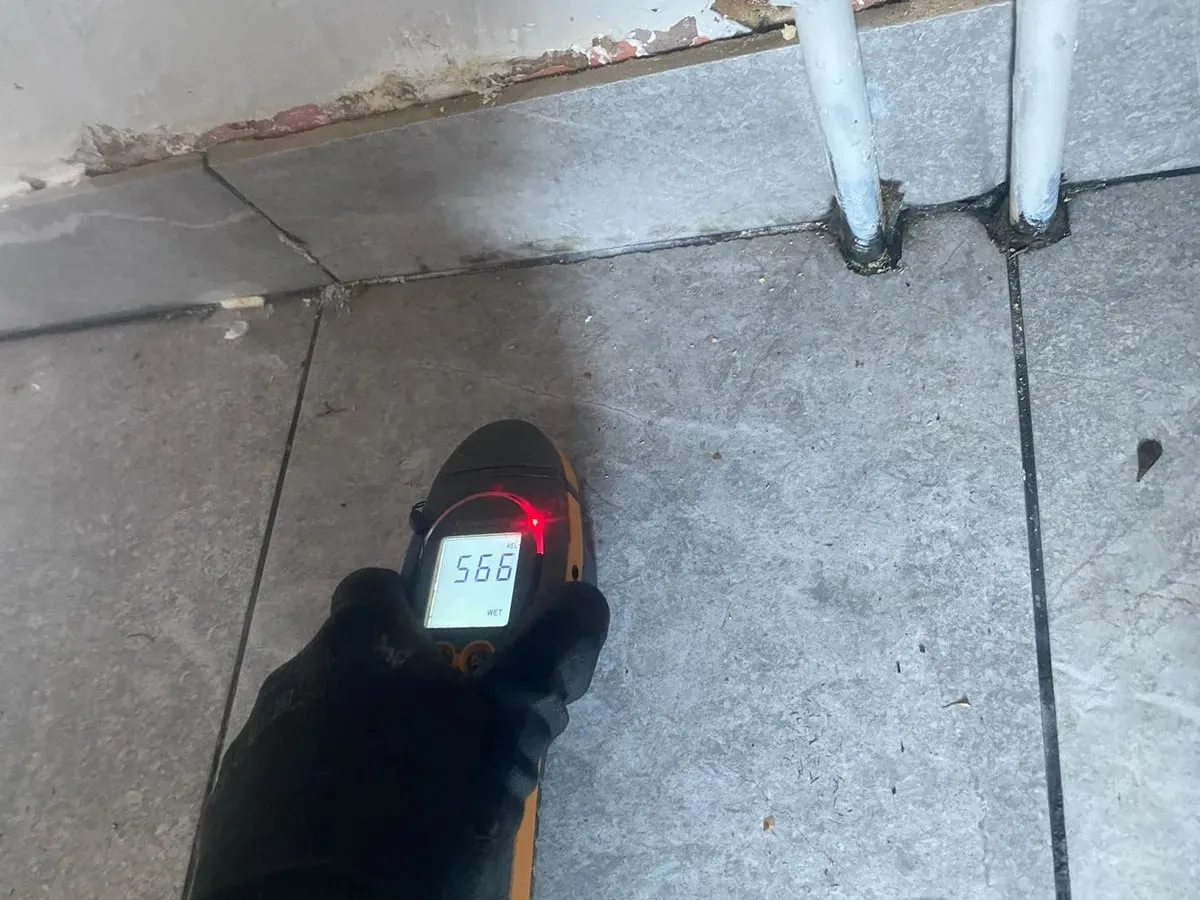
Checking moisture across a utility-room floor in March.
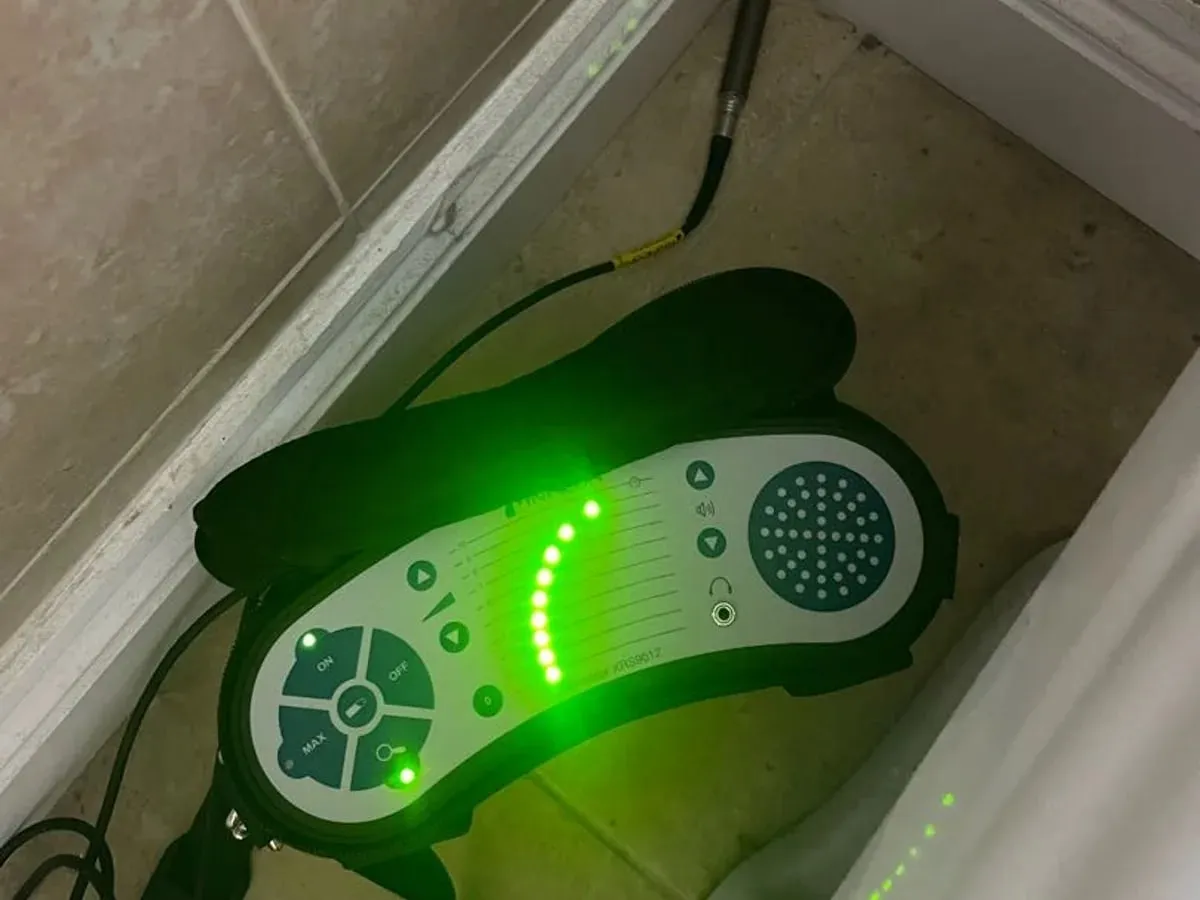
Testing for tracer gas beside a tiled bathroom wall in Billingshurst.
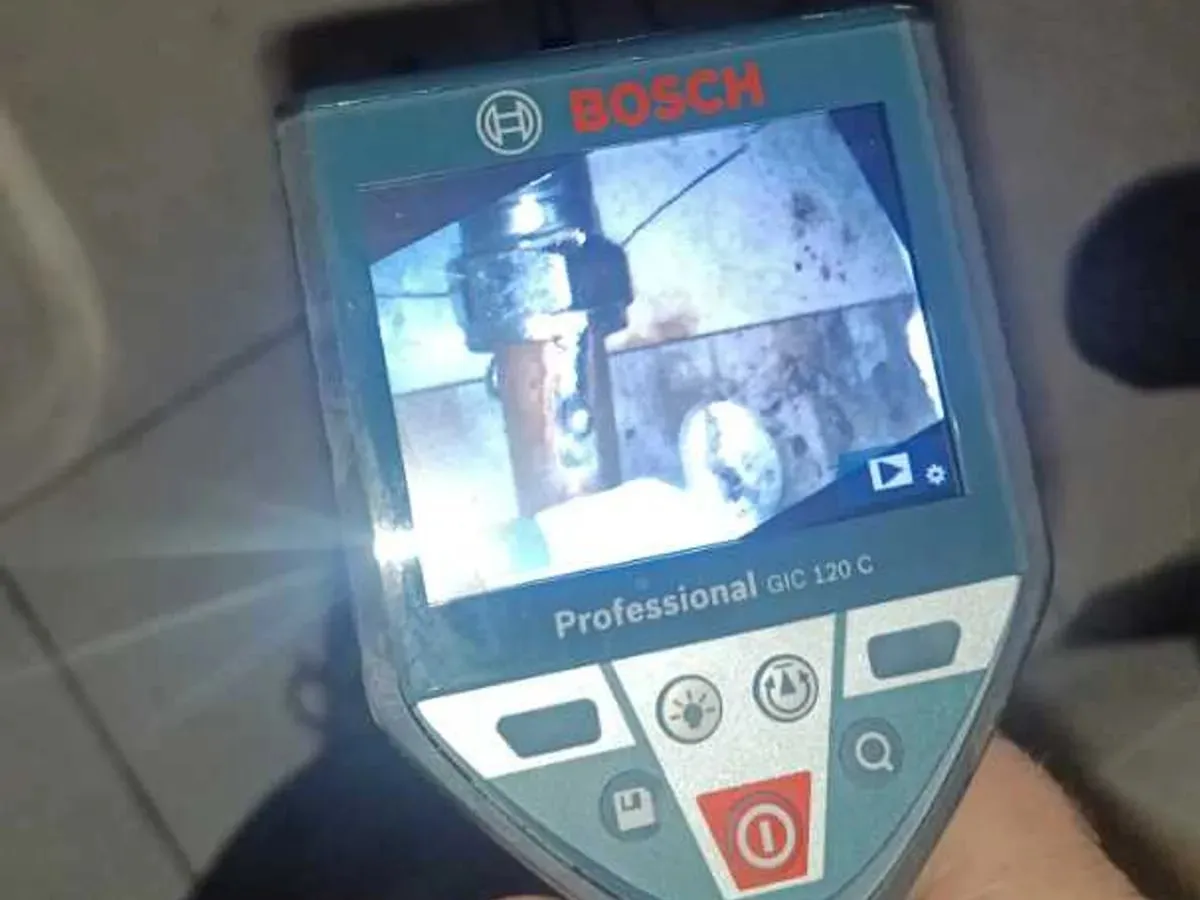
Looking at a pipe connection inside a confined space in Southampton.
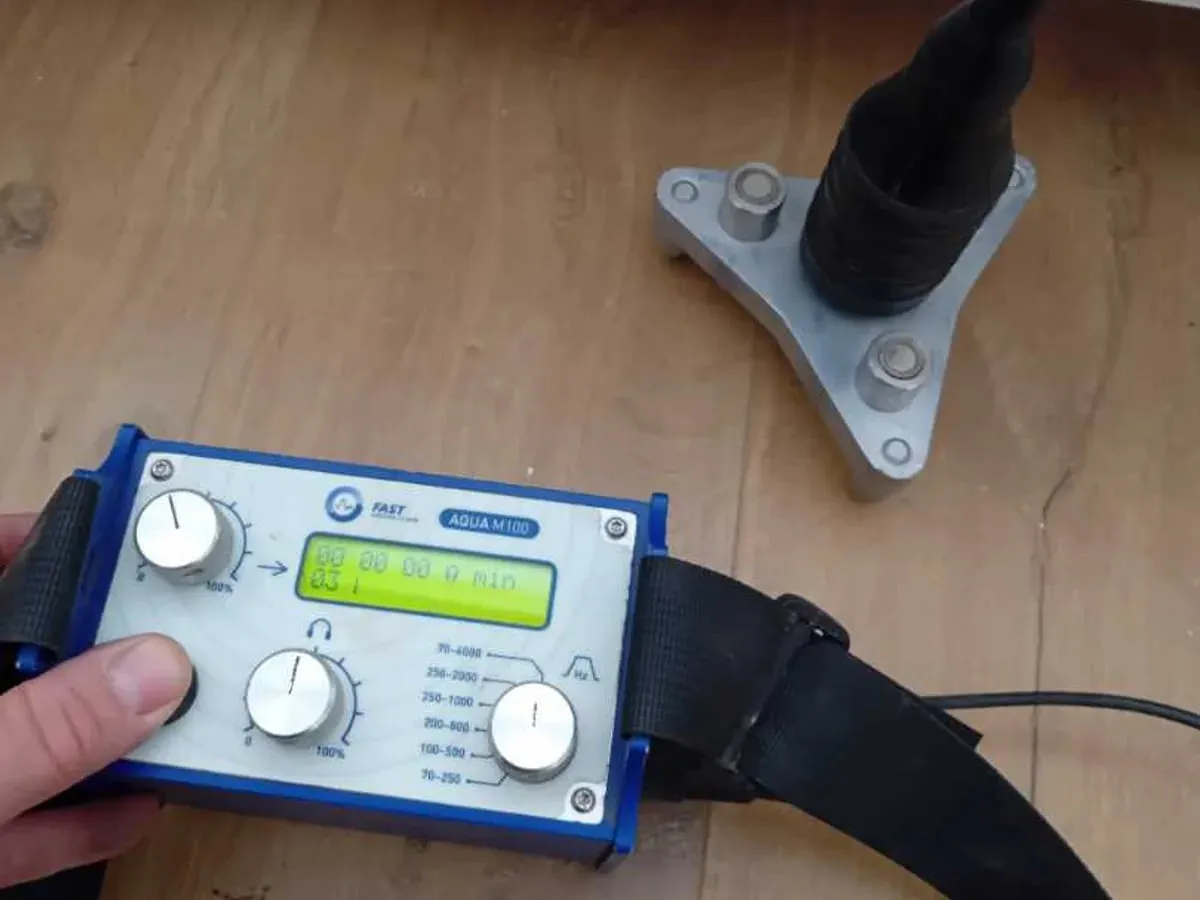
Listening through a floor with a microphone and handheld amplifier.
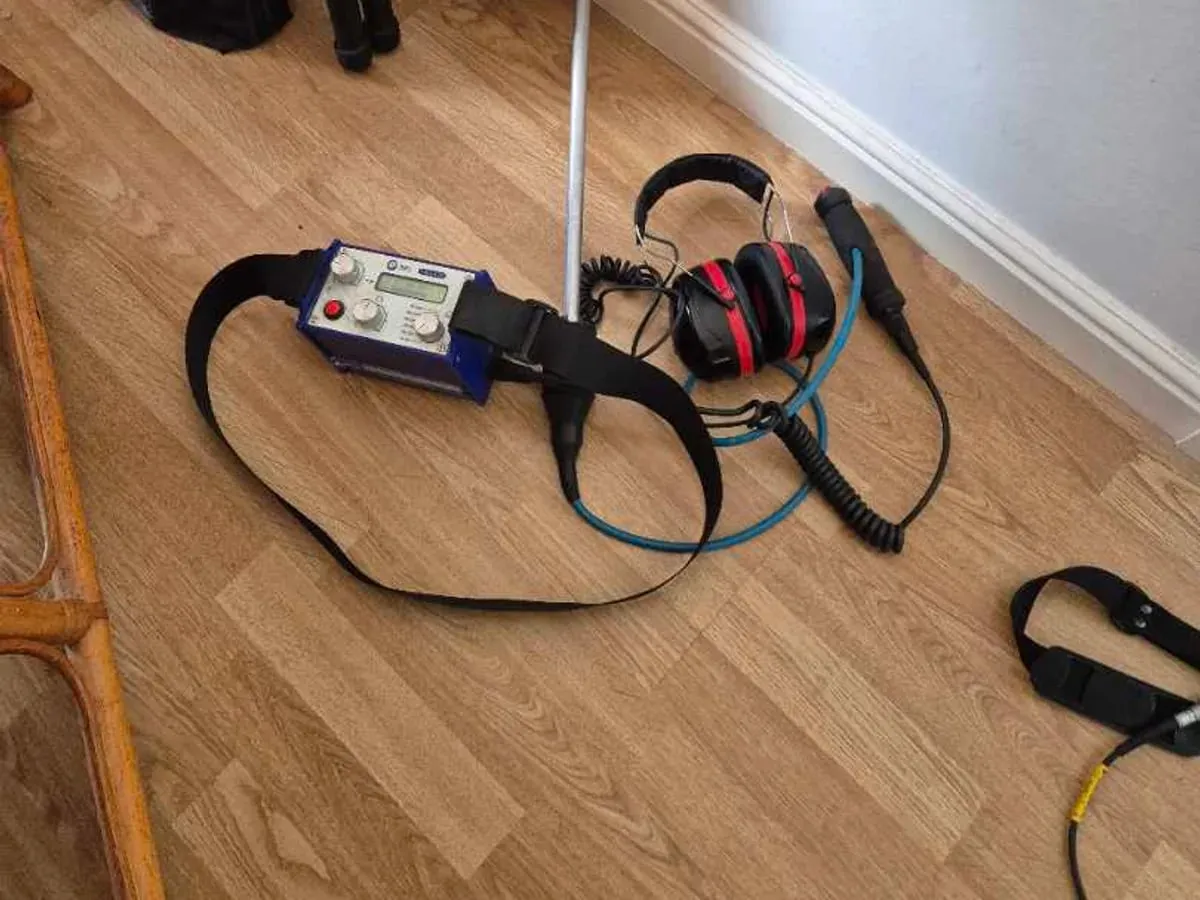
A contact probe, amplifier and headphones ready to check pipework.
The visible damp may be some distance from the damaged pipe. The investigation follows the evidence back towards its source.
| Leak | First clues | What that means |
|---|---|---|
| Behind a wall or bathroom tiles | Damp or staining | Moisture mapping helps trace the spread. Thermal imaging and a small inspection camera can help where the pipework is hidden. |
| Beneath a concrete or tiled floor | Damp flooring | Pressure testing checks the pipework; acoustic listening and tracer gas can help narrow down the position. |
| Concealed central heating pipework | Pressure falling | The boiler and visible components are checked as well as the pipework. A falling gauge alone does not prove a buried leak. |
| Under a driveway, path or garden | Meter moving | Once normal water use is ruled out, the supply pipe can be tested and traced from accessible points. |
| A ceiling below a bathroom | An expanding stain | The engineer considers plumbing, waste pipes and seals. Water may have travelled before reaching the ceiling. |
| Underfloor heating circuits | Regular topping up | Individual loops may need isolating and pressure testing. Thermal patterns and tracer gas help guide the search. |
Damp kitchen and bedroom walls led to a failed pressure test. ADI traced the hidden pipework through boxing, opened the kitchen wall and repaired a leaking copper pipe.
Read the case
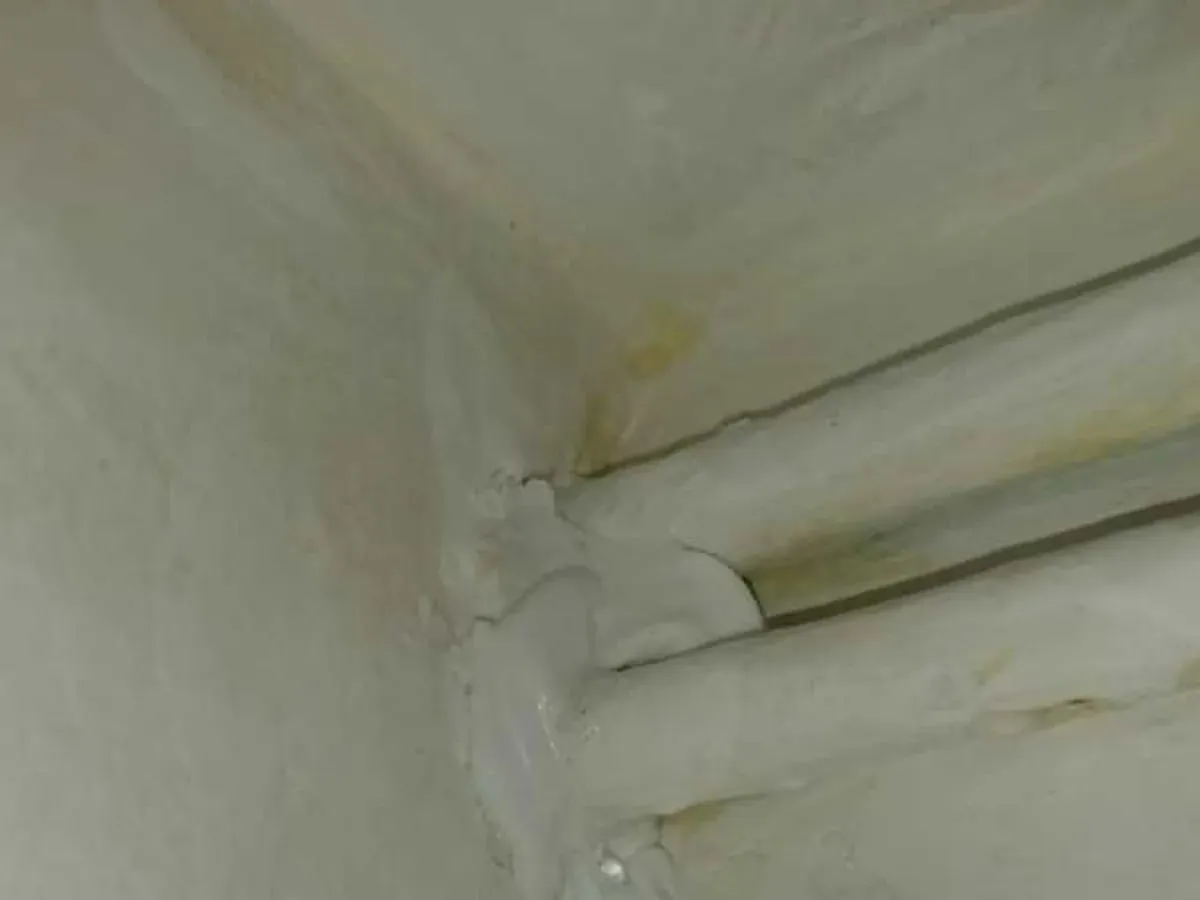
Water damage in the kitchen accompanied a separate basin leak after bathroom renovation. Moisture readings and an endoscope helped locate a copper pipe fault within the kitchen wall.
Read the case
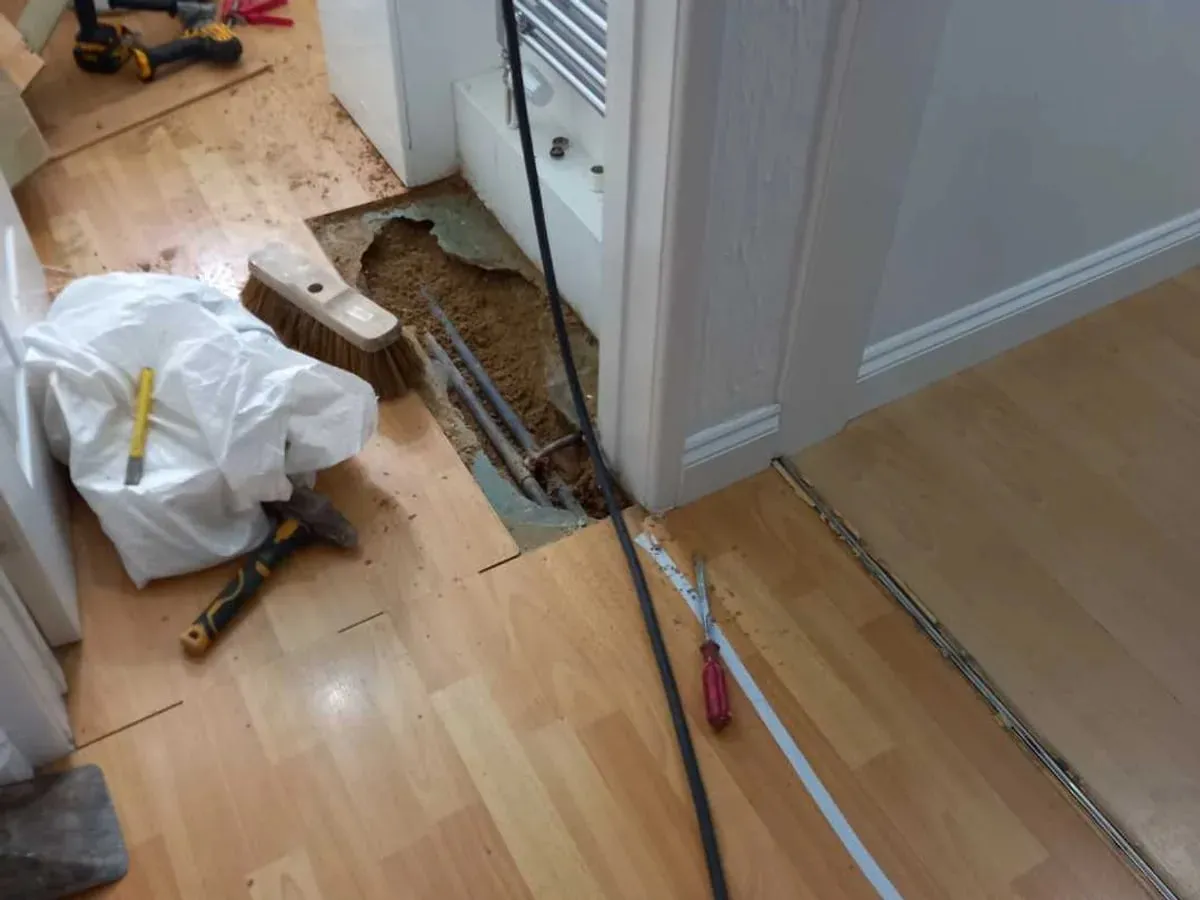
Thermal, tracer gas and acoustic checks did not identify this leak. Following moisture through the screed led to a split copper bend beneath the hallway floor.
Read the case
“…behind a plasterboard wall with no obvious evidence that the leak was there.”
4.7 Excellent on Trustpilot from 1,620 reviews of ADI Leak Detection
Read the customer reviews“And showed me the faulty pipe joint, hidden under two layers of planking!”
“…narrowed the search down to a tiny area and did minimal damage to our new bathroom in fixing the leak.”
More answers about the method and the visit.
Many checks can be made from the surface or at accessible fittings. The aim is to reduce exploratory opening, but an inspection hole may still be needed and repairing a concealed pipe usually requires access. The engineer should discuss proposed access before work begins.
Plastic pipe can be investigated, although it carries leak noise less well than many metal pipes. Testing individual sections, tracing the route and using tracer gas or other suitable methods can help. Access and the construction around the pipe affect what is possible.
It can, but visible radiator valves, boiler components and a pressure relief discharge can also cause pressure loss. Those checks help decide whether the concealed heating pipework needs testing. Pressure loss on its own does not establish the location.
Moisture can spread away from a leak, sound can travel along pipes, and tracer gas can emerge through an easier path in the floor. Comparing test results helps the engineer interpret those clues and select an area to investigate.
On many of the real jobs shown here, ADI opened the identified area, repaired the damaged pipe and tested it afterwards. What can be done depends on the pipe, access and the work required. Discuss repair and reinstatement when you call.
ADI provides a report of the tests and findings, with photographs, which you can share with your insurer. Check any requirements with your insurer before authorising work; a report does not establish that your policy covers the cost.
Concealed Leak Detection, a specialist service from ADI Leak Detection. When you call, ADI’s office team answers, and an ADI engineer carries out the survey. ADI Leak Detection has been finding hidden leaks since 2011 and has 25+ engineers covering England, Scotland and Wales.
ADI Leak Detection is a trading name of ADI Leak Solutions Ltd, company number 15870765.
About the service